Space missions
Since Hungary joined, C3S closely collaborated with ESA on several small and large satellite projects not only as a subcontractor/ supplier, but as a prime contractor as well. In addition, the company has successfully delivered a broad portfolio of commercial space projects.
SAILOR
(Sail Array for Impact Logging in Orbit)
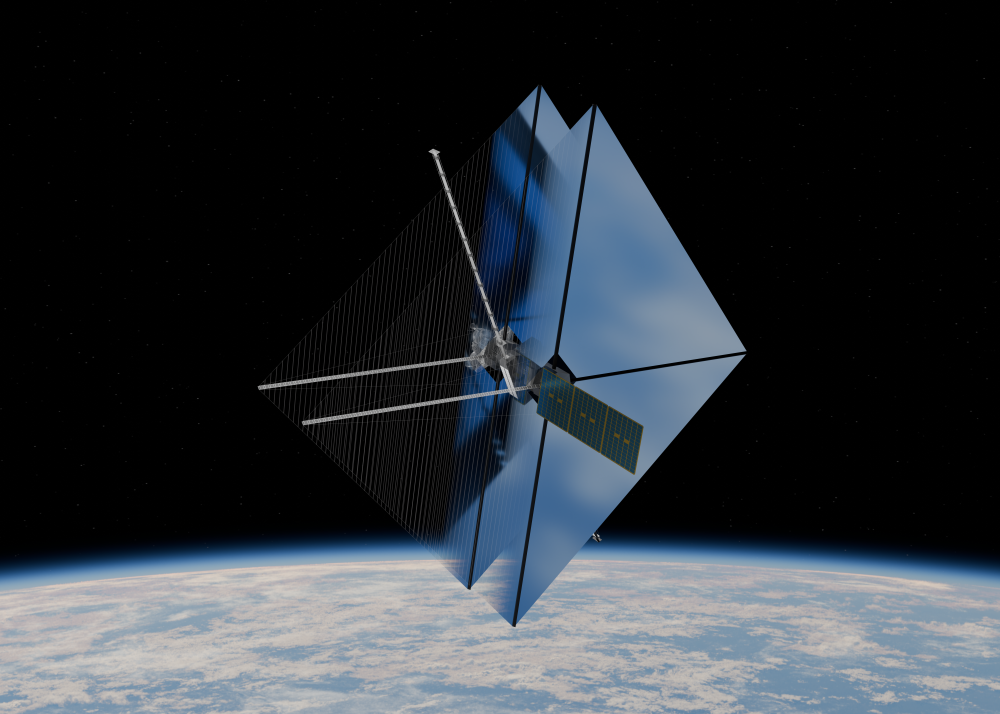
The SAILOR mission is a pioneering initiative within ESA’s S2P Programme, led by C3S as the prime contractor. The mission’s primary goal is to deploy a constellation of four 100 kg satellites designed to revolutionize particle detection in space and enhance
ESA’s scientific databases on space debris.
Each satellite features two expandable 25 m² sails embedded with approximately 100 acoustic PVDF sensors. These sensors are designed to detect particle impacts and collect critical data on
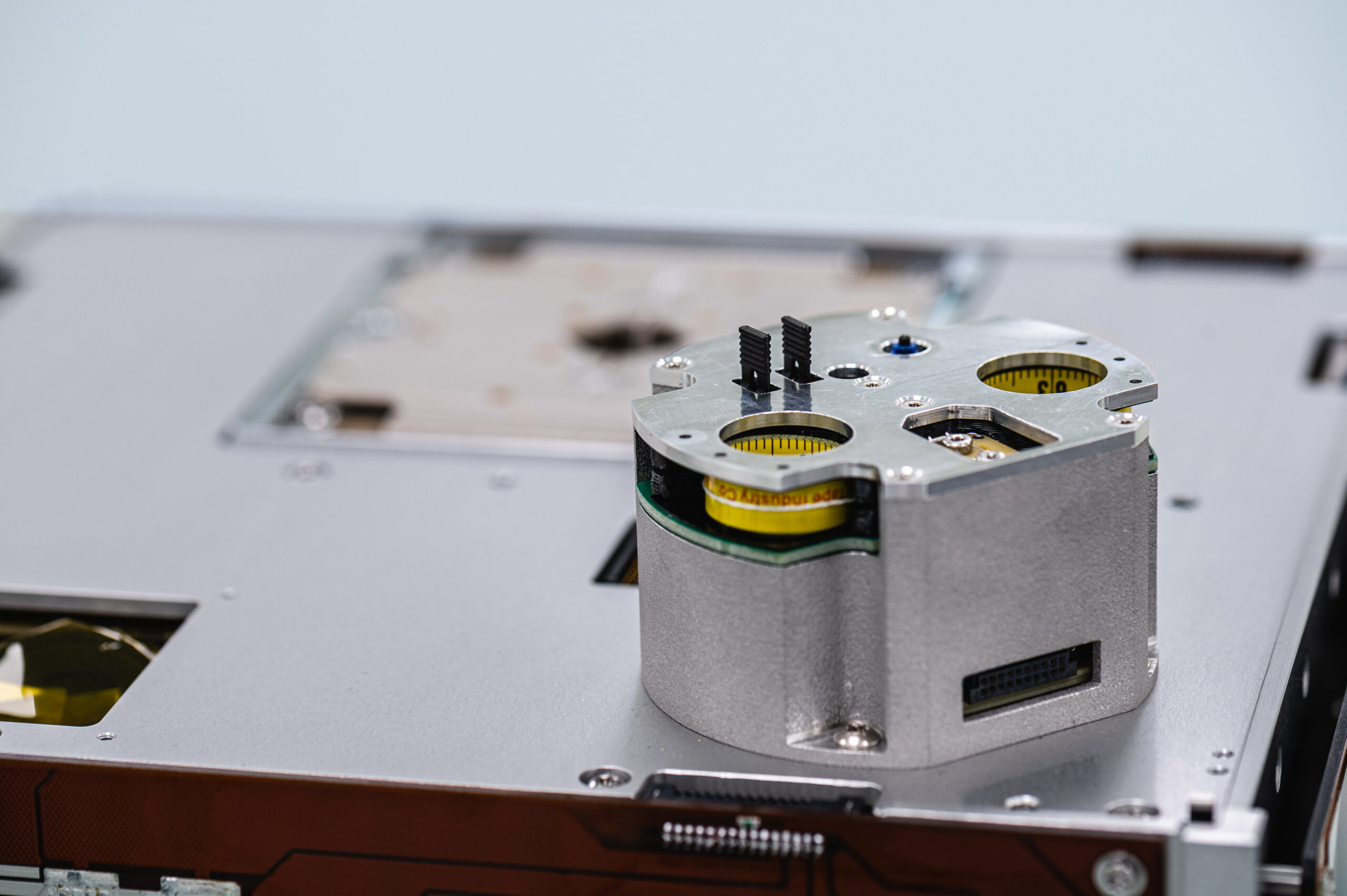
particle velocity vectors and energy. Enhancing this capability is an advanced optical payload system. This system incorporates space-qualified cameras mounted on a rotor located between the two sails, enabling precise impact localization and hole size characterization. With a resolution of 50 microns at a 50 cm stand-off distance, the
optical system provides unparalleled accuracy in analyzing debris impacts.
The satellite is expected to be launched in 2030.
OPTIMIST
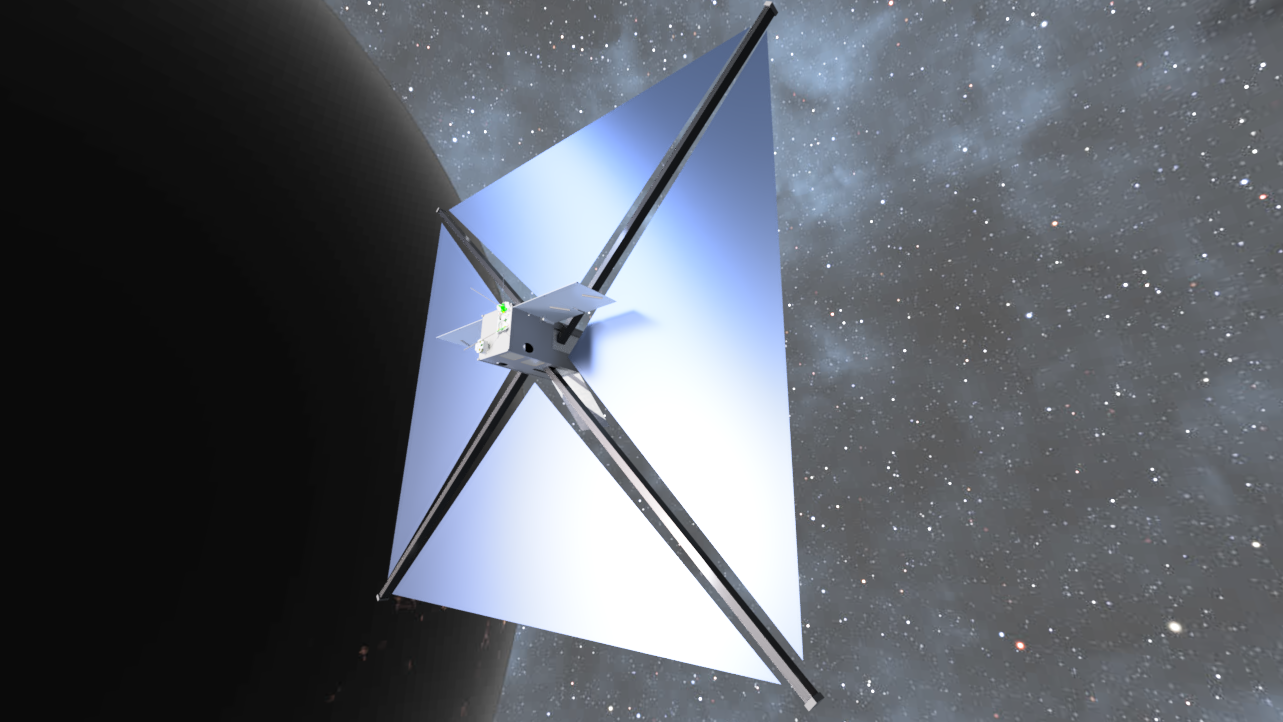
The OPTIMIST mission is an innovative space mission aimed at validating and maturing key technologies for the future SAILOR mission. As a dedicated de-risking satellite, it will not fully
characterize hypervelocity impacts in orbit but will demonstrate the feasibility of the acoustic and optical detection systems.
The mission will deploy an ADEO sail equipped with acoustic sensors to detect debris impacts, while onboard cameras will validate and assess these events. Although its capabilities are reduced compared to SAILOR, OPTIMIST will enable accurate impact detection, energy estimation, and event counting, laying the groundwork for operational debris monitoring in the future. In its initial phases, OPTIMIST will refine mission requirements, optimize payload and satellite designs, and develop robust operational concepts.
The satellite is expected to be launched in 2028.
RAVEN
(Resilient Access Validation for Evolving NTN)
RAVEN is a major milestone for Hungary’s space and telecommunications sectors. Led by a Hungarian consortium and supported by the European Space Agency (ESA) through its ARTES 4S and 5G/6G programmes, the mission aims to demonstrate 3GPP-compliant 5G Non-Terrestrial Network (NTN) technologies in orbit.
The project is implemented entirely by Hungarian industrial and academic partners. The consortium is led by C3S Ltd., with contributions from Molaris Ltd., Óbuda University, and a leading Hungarian multinational telecommunications company.
Starting in 2026, with launch planned for 2028, the 8U CubeSat will test the integration of terrestrial and satellite 5G/6G networks, supporting future communications in remote areas, disaster response, autonomous systems, and global IoT applications. The mission is expected to contribute valuable expertise to the development of next-generation integrated ground–space communication networks.
The satellite is expected to be launched in 2028.
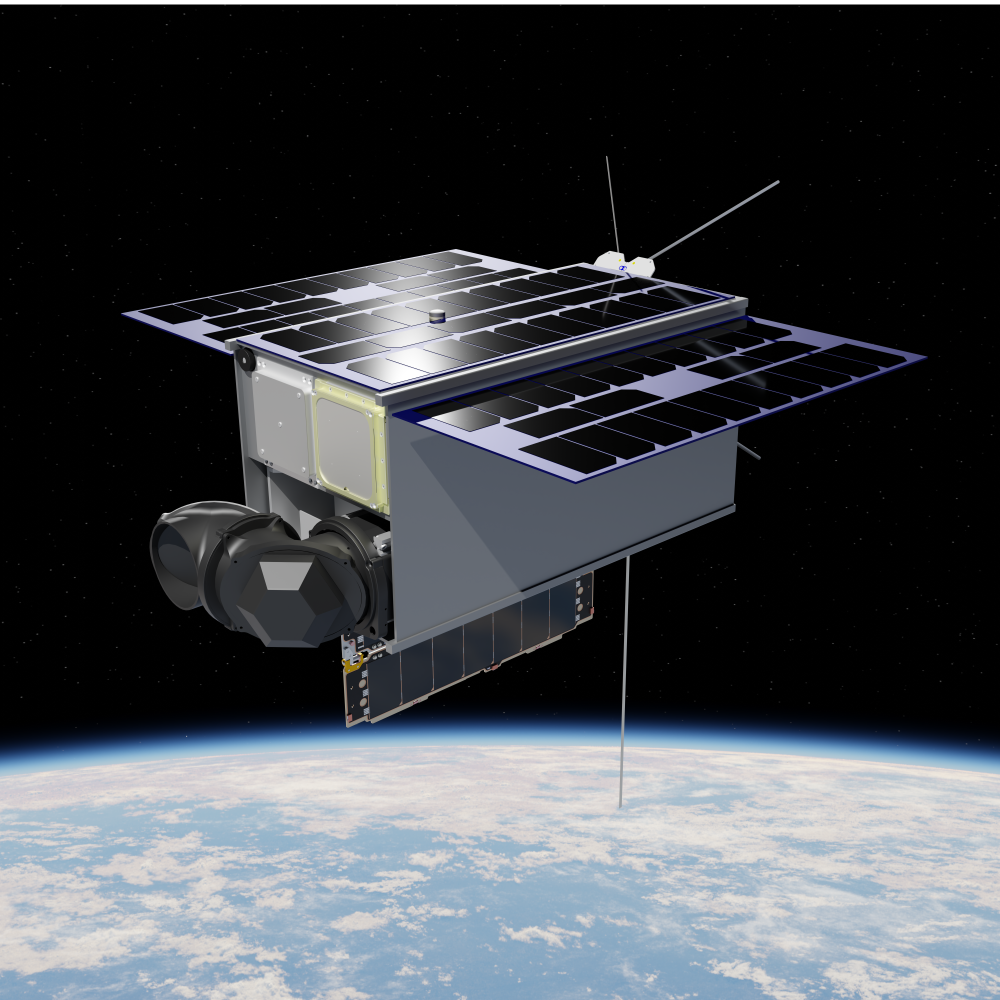
OPS-SAT-ORIOLE
(Optical Relay and Infrared Optics for LEO Experiments)
The OPS-SAT ORIOLE mission supported by ESA aims to conduct an In-Orbit Demonstration (IOD) of a hybrid optical telecommunication and thermal infrared camera as its main payload. The mission focuses on demonstrating full duplex optical communication capabilities from space to ground, with potential for space-to-space communication.
The mission will demonstrate a potentially disruptive low-power protocol and showcase Earth observation in thermal infrared using the telecom payload optics. A central goal is seamless optical and radio communication between ground stations, enabling near real-time high-speed data transfer. By developing a versatile satellite
platform and enhancing the payload interface, the mission aims to expand applications.
The satellite is expected to be launched in early 2027.
Mauve
(Ultraviolet Spectrophotometry of Stars)
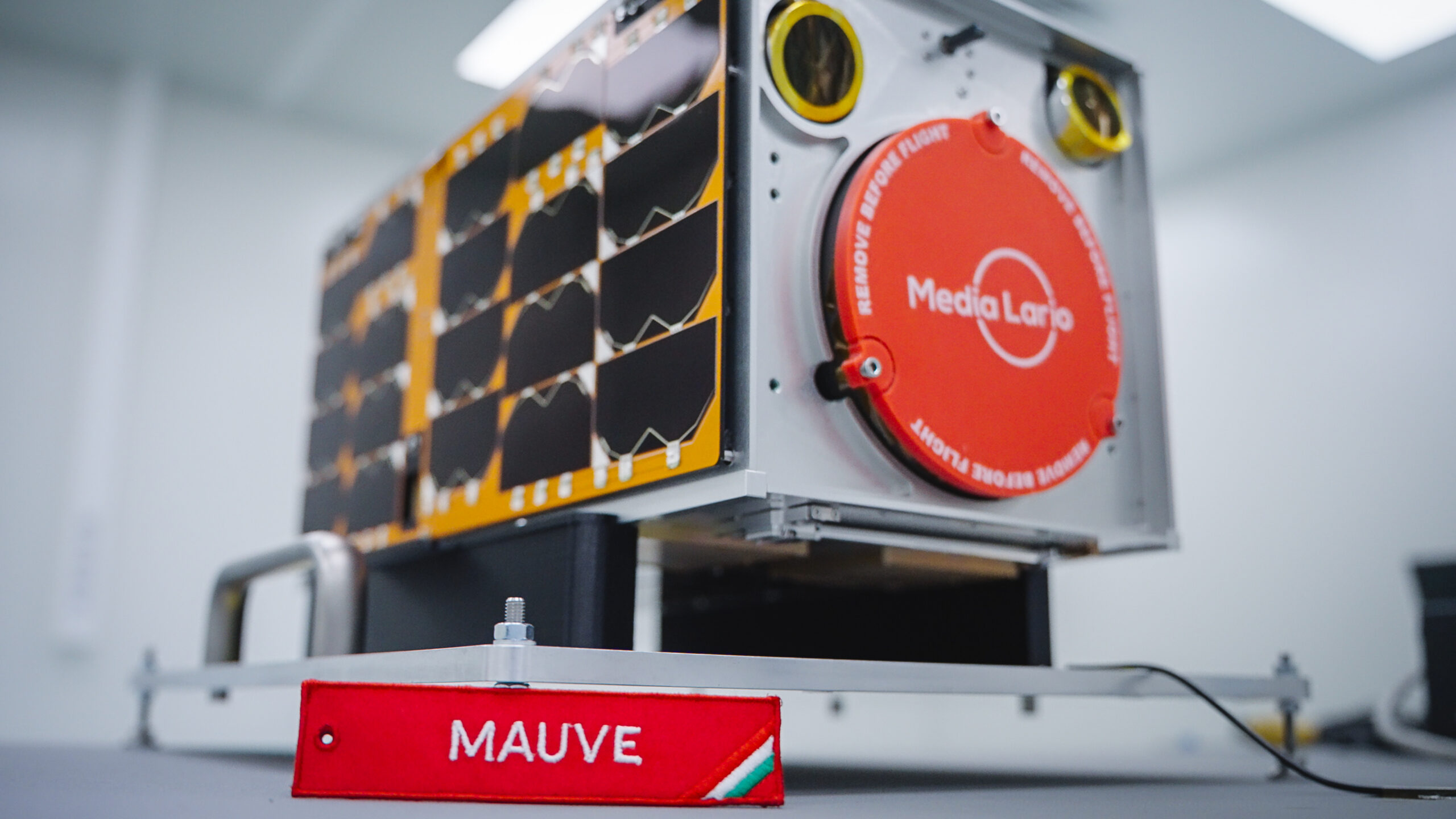
The 16U satellite for ultraviolet spectroscopy of M-dwarf stars, crucial for assessing rocky planet habitability. It will offer advanced science data and develop key technologies, such as detector interfaces, thermal design, and precision pointing. This project showcases the ability to create innovative scientific satellites rapidly and cost-effectively, supplying valuable data for exoplanet research and it is a steppingstone for future low-cost scientific satellites.
With its robust and redundant subsystems, Mauve was built on C3S’s platform development heritage and has become our largest satellite, so far. As the platform prime of the international consortium,
C3S desined the platform, integrated the UV-VIS spectrometer with the telescope, and provided the CHP-OBC as an intelligent payload controller module for enhanced platform-payload interaction.
The satellite was launched in November 2025.
WISDOM
(Wise Integration of Satellites PNT tracking Data using OWL for collision avoidance Management)
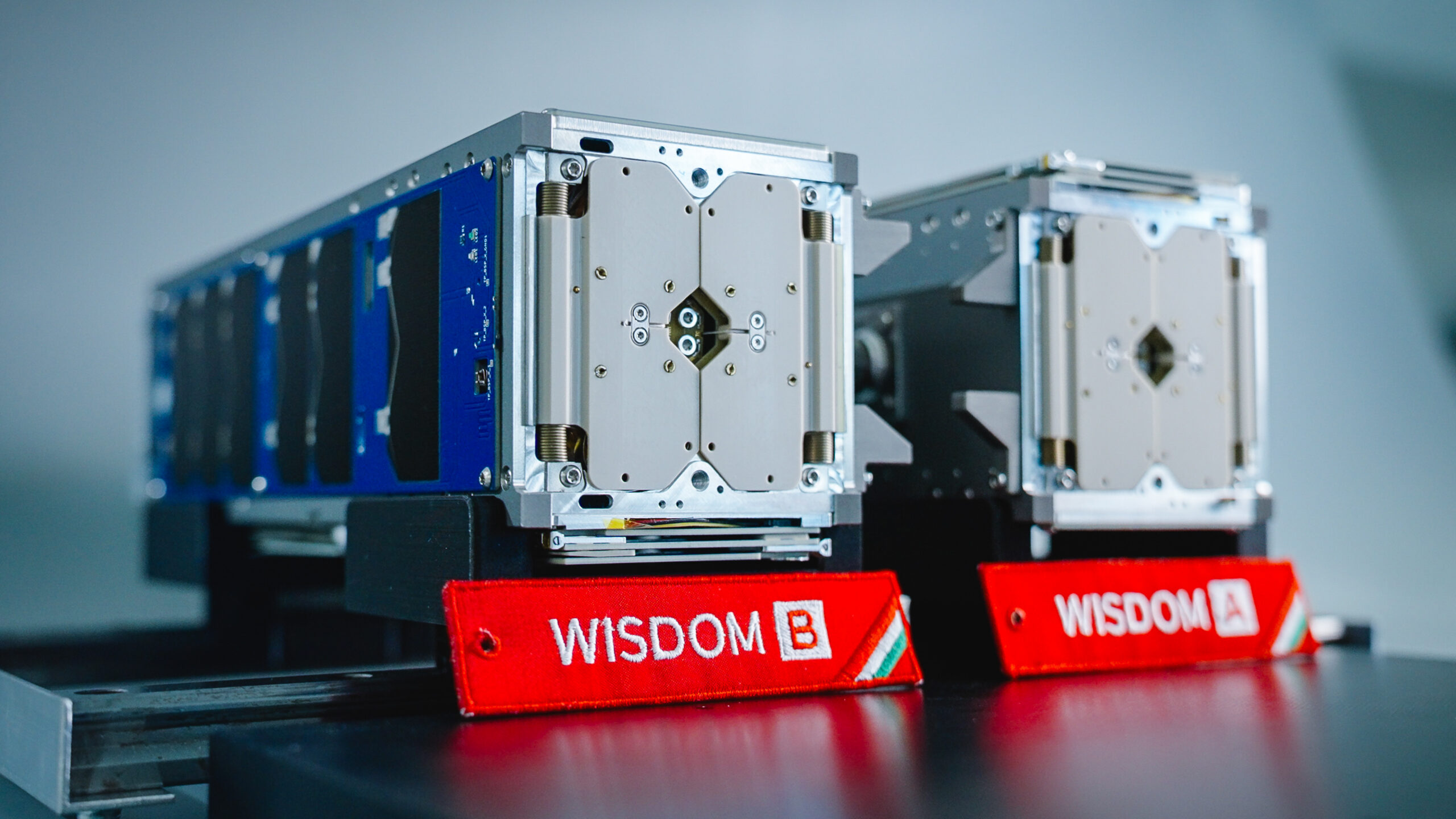
The WISDOM project aims to improve space traffic management and collision avoidance through a 6U satellite that separates into two 3U CubeSats. Supported by ESA, it develops technologies for positioning, tracking, satellite communication, and autonomous manoeuvring. Both CubeSats carry the OWL (Orbital Whereabout Locator) system for independent communication and coordinated collision avoidance.
The mission demonstrates satellite separation using the HDRM (Hold Down Release Mechanism), integration of PNT technologies, and in-space collision avoidance manoeuvres. One CubeSat is equipped with mini-thrusters, while the other uses a plasma brake for deorbiting within two years.
The satellite was launched in November 2025.
WREN-1
(Water Resources in Efficient Networks)
The 6U Cubesat project responded to the rapid expansion of precision agriculture in Hungary and the increased demand for digital agro-meteorological data. Its goal was to predict drought-prone areas based on continuously updated data, thereby mitigating drought-related damages.
The WREN-1 project focused on assessing the moisture content in the topsoil and monitoring vegetation development. The multispectral imaging system collected data over nearly 10 000 square kilometers at a resolution of 16 × 16 meters, using visible, near-infrared, and short-wave infrared wavelengths. One advantage of the satellite was its ability to capture images not only directly beneath it but also to the side, allowing for more frequent updates. After processing the satellite images, the system sent high-resolution biophysical and biochemical data to the ground station, where machine learning algorithms were used for further analysis.
The satellite was launched in August 2024.

VIREO
(Virtual Intelligence Realization for Earth Observation)
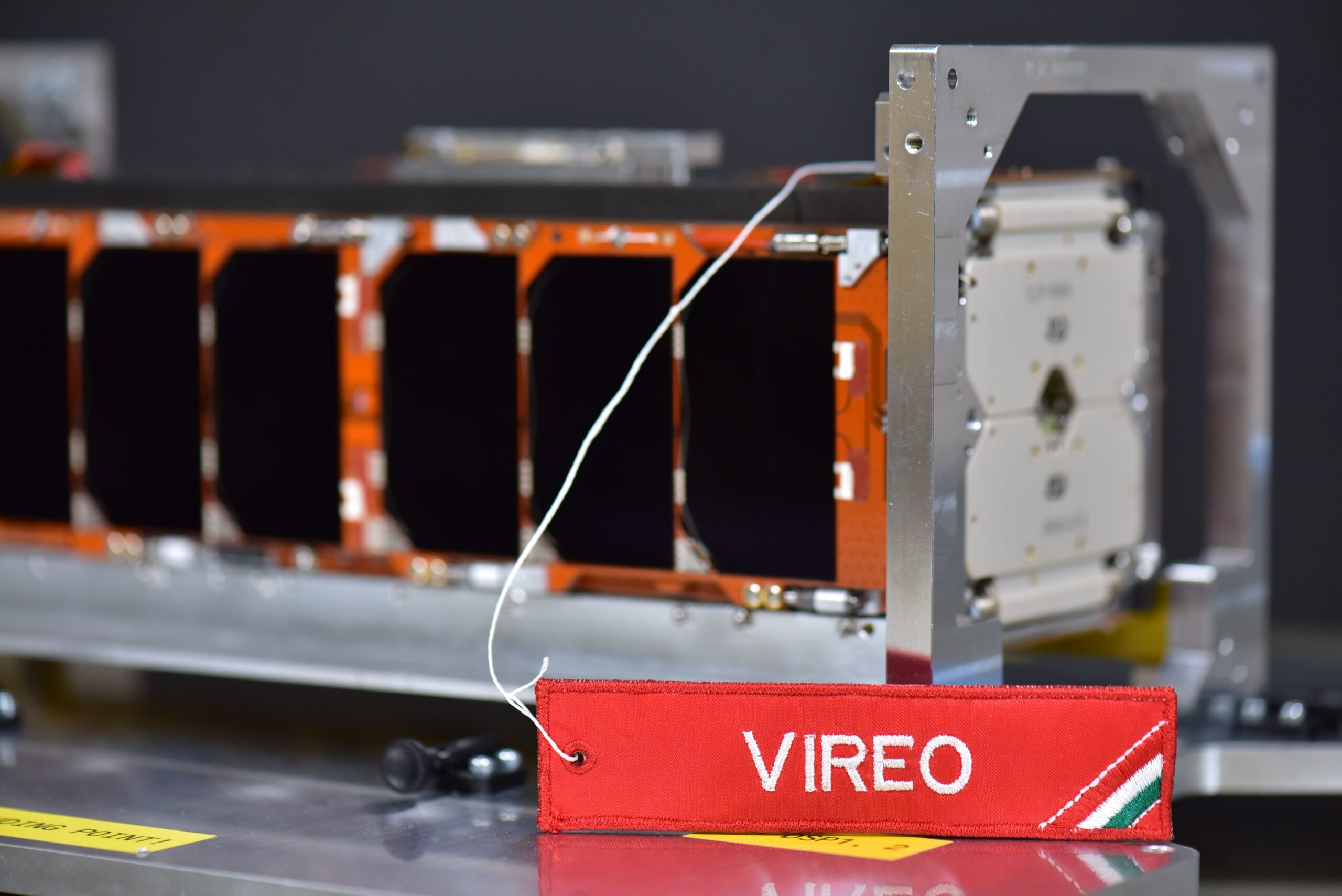
The IOD mission demonstrated how the capabilities of CNNbased AI solutions can be integrated onboard nano satellites. The payload was developed as a collaborative project between C3S and aiMotive,
consisting of two high-performance single-board computers with two pairs of RGB-only and RGB/IR camera modules. The CHP-OBC submodule within the payload serves as an interface unit between
the platform and the AIOB-X submodule for this specific mission.
Additionally, it incorporates the software component from KP Labs, successfully demonstrating that platform-independent AIpowered
algorithms can efficiently facilitate Earth observation data analysis.
The satellite was launched in April 2023.
RADCUBE
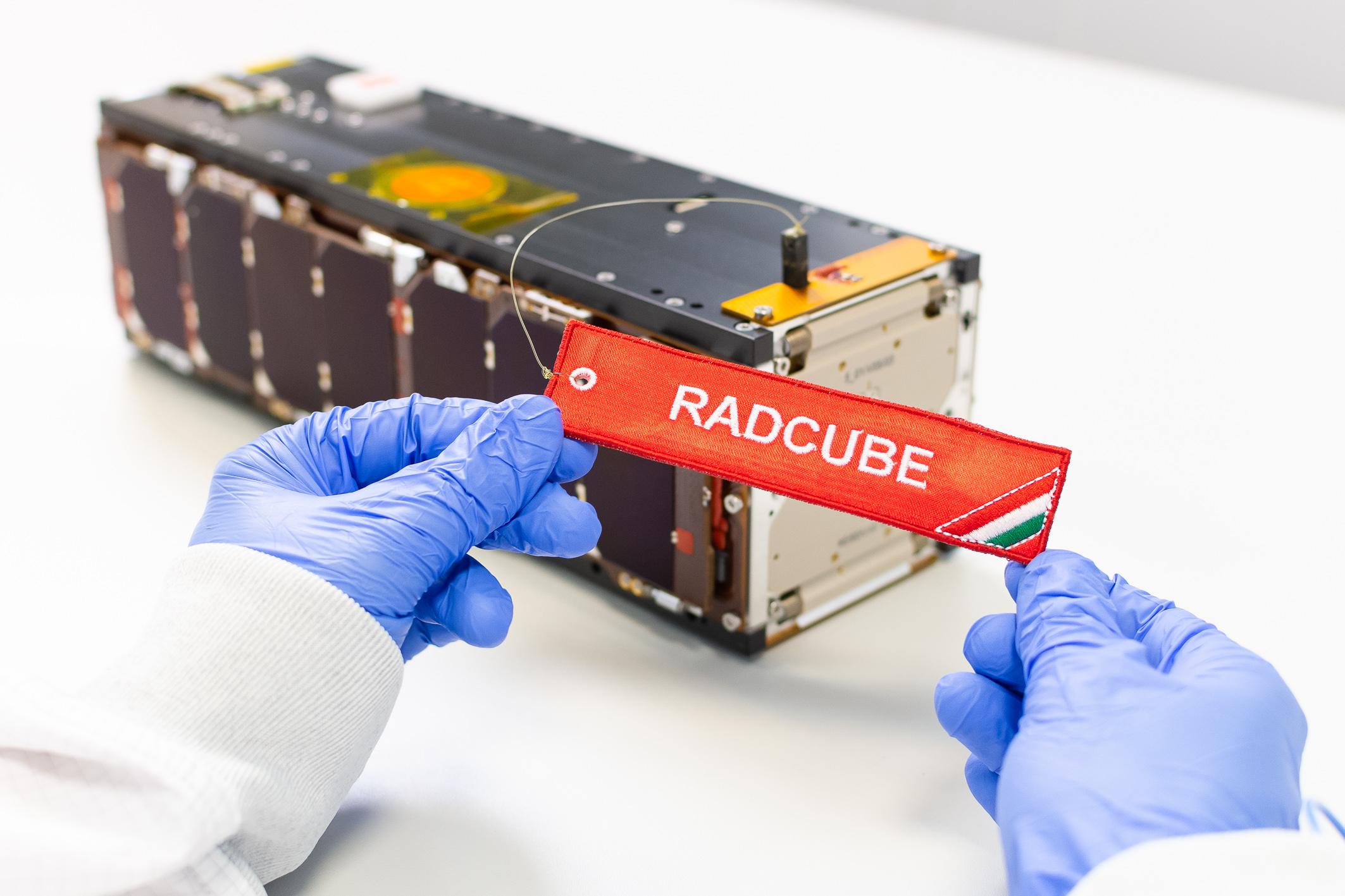
RADCUBE mission demonstrates miniaturized, on-board instrument technologies of the 3U CubeSat platform. The primary scientific objective is the in-situ measurement of space radiation and magnetic field environment in LEO for real-time monitoring of space weather including the radiation that spacecrafts, spacecraft components and astronauts are exposed to. The project is an international consortium including the Hungarian Centre for Energy Research, ICL and Astronica, led by C3S LLC. Primary payload RadMag is developed by Hungarian Centre for Energy Research.
The satellite was launched in August 2021.
PLATO 2.0
PLATO 2.0 AEU
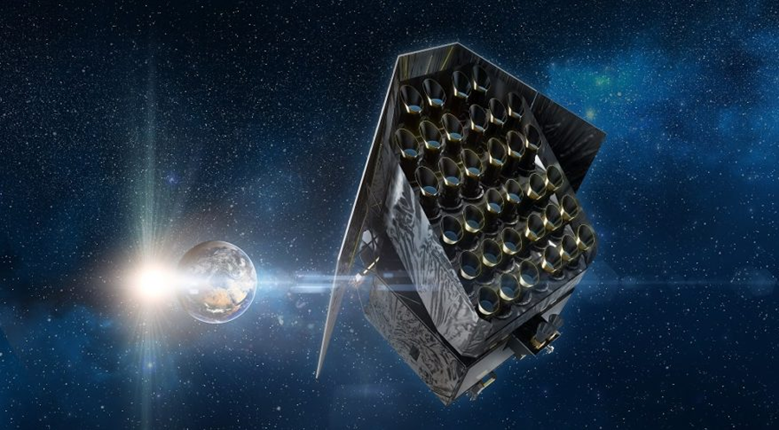
C3S has designed and prototyped Ancillary Electrical Unit (AEU) for ESA’s PLATO 2.0 medium-size satellite mission aiming to detect and characterize extrasolar planetary systems. The AEU was responsible for power distribution and synchronization between the payload of 24 cameras and the platform. The project was closed in 2019 at TRL 3.
SMILE
SMILE PSU
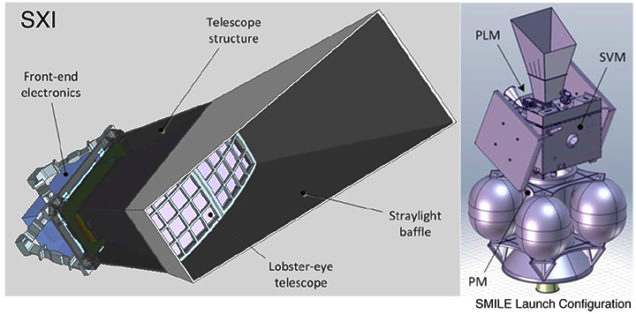
During the SMILE mission (Solar wind Magnetosphere Ionosphere Link Explorer) C3S is responsible for the development of the primary payload power supply. Two types of power modules are included in the unit. These are the power supplies for CCD cameras and digital subsystems. They have an FPGA as a main controller, which provides the telemetry from the boards, and handles the control signals. The project was closed in 2019 at TRL 4.
HiReL
OWL
OWL
OWL (On-board Whereabouts Locator) is a VHF transmitter capable of sending valuable data in the form of short messages over the VHF channel. This in-orbit automatic identification and localization system provides access to satellite position data, facilitating spacecraft localization and identification even before establishing a connection.
- It features a platform-independent design.
- It can fit into the spacecraft’s Tuna Can without occupying payload space.
- It is equipped with its own battery, enabling independent operation from the platform for a minimum of 18 hours.
- It includes a secondary communication subsystem that can provide ancillary data during the commissioning phase.
- It offers easy plug-and-play integration.
- It can gather additional health and telemetry data if it has access to additional power sources from the satellite