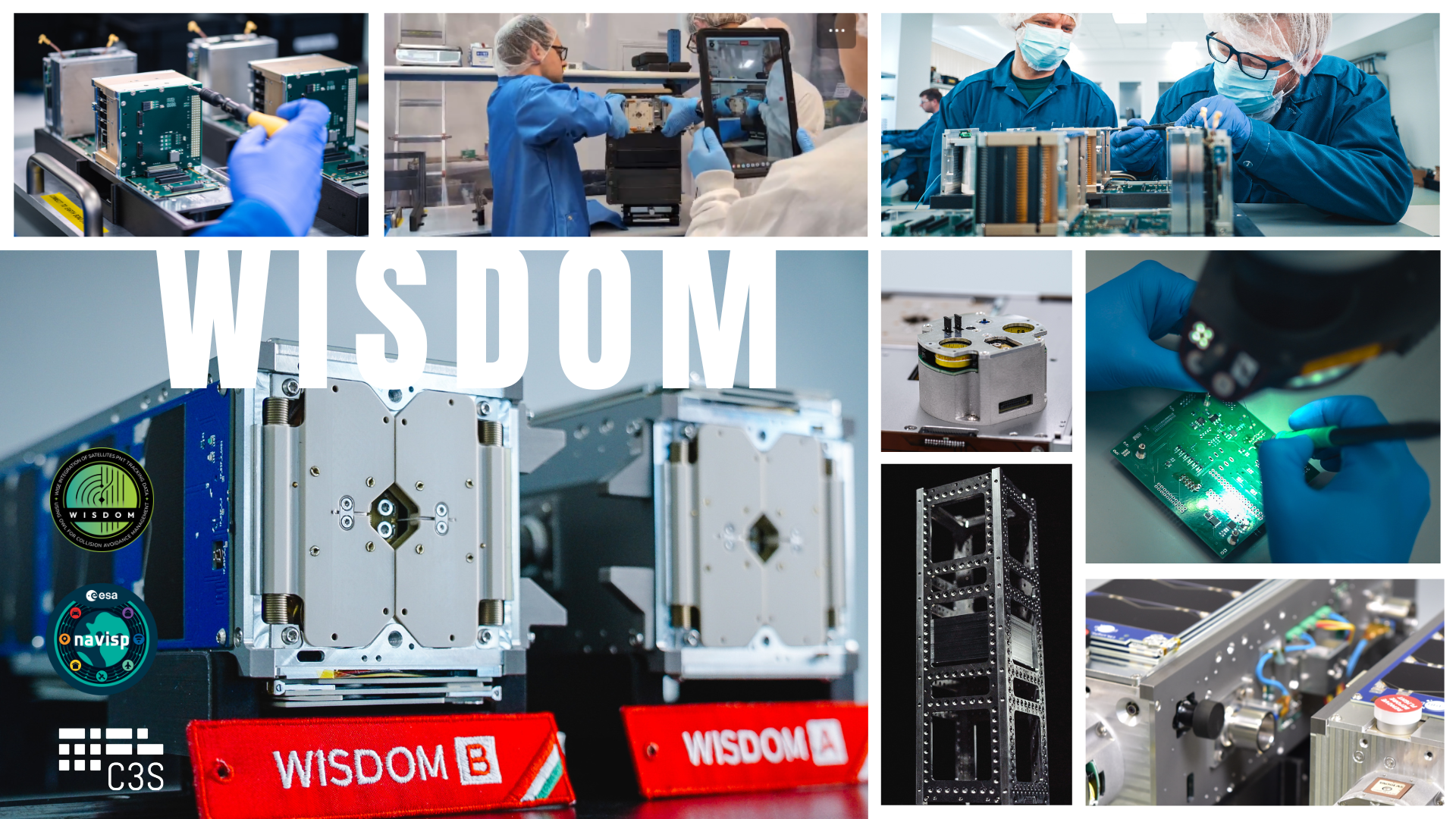
After launching WISDOM in November 2025, getting a satellite into orbit is only the first step. The days and weeks that follow are critical to ensure the satellite is healthy, stable, and fully ready for its space experiments. Here’s a look at how the early mission phase of WISDOM unfolded.
Commissioning: the first critical steps
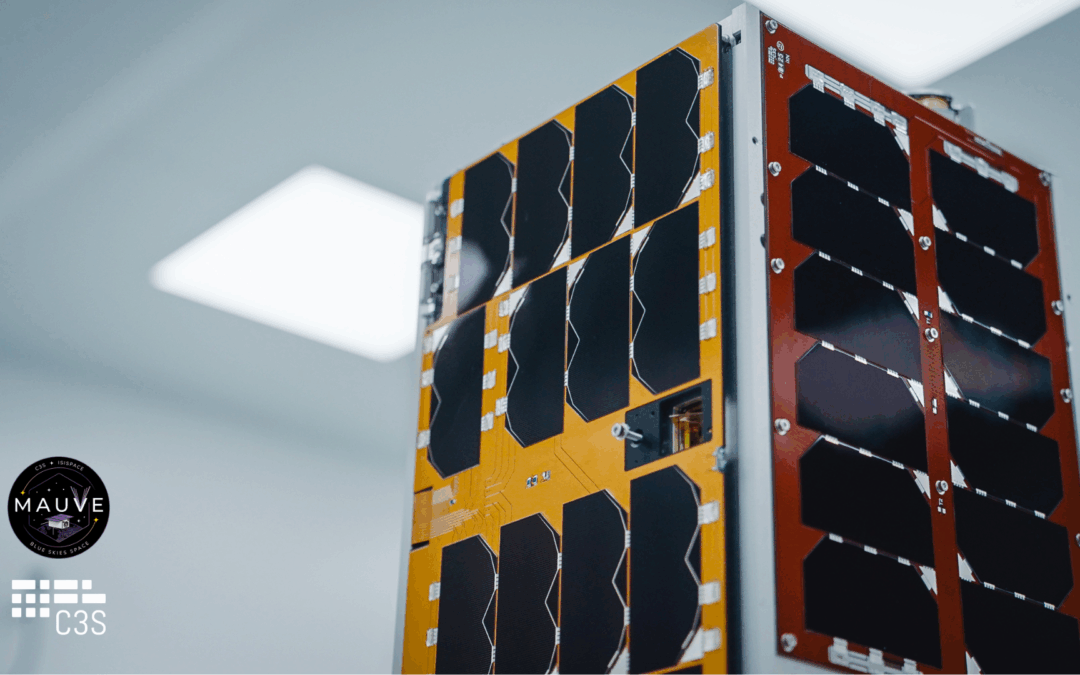
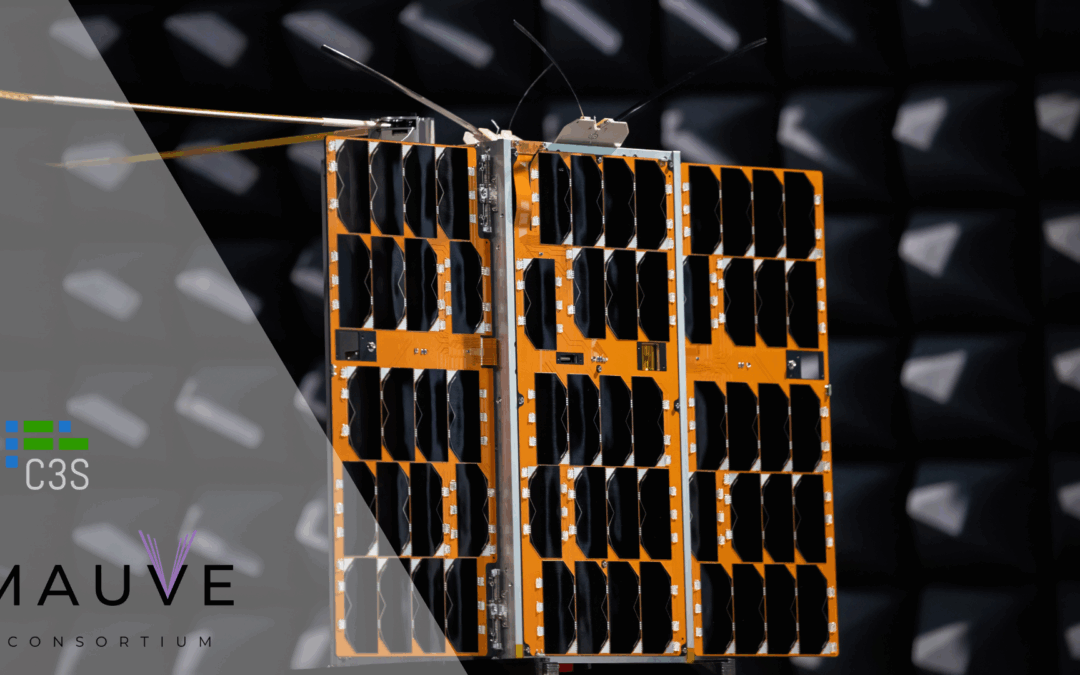
Before WISDOM could truly start its mission, we had to run through several commissioning steps to make sure everything was working perfectly. Right after deployment, our first tests kicked off: checking radio links, battery levels, temperatures, and making sure all mechanisms deployed as planned. And they worked flawlessly — the platform UHF antenna, the OWL VHF antenna, and WISDOM-A’s wing solar panel all opened without a hitch.
Tracking with precision
In the first days, we tracked WISDOM using a TLE generated after POD ejection. But as expected, it became less accurate over time. Using GNSS data from OWL measurements, we therefore created precise in-house TLEs to ensure smooth communication and reliable tracking. The OWL once again proved it’s not just a development project, but an operational game-changer.
Power and platform checks
With the satellite safely tracked, the team analyzed power usage across all subsystems, checked the UHF radio amplifier, monitored solar array output, and ran longer tests over multiple orbits. Everything is nominal — WISDOM’s core systems are ready for action.
ADCS commissioning
Next came fine-tuning the ADCS (Attitude Determination and Control System). This system controls orientation — essential for antennas, solar panels, and payloads. From our ADCS supplier, we received configuration files tuned specifically for WISDOM, ensuring precise control. Once this phase wraps up, the satellite will be fully ready for its operational mission.
Operational Phase – What’s next:
6U Separation and Collision Avoidance
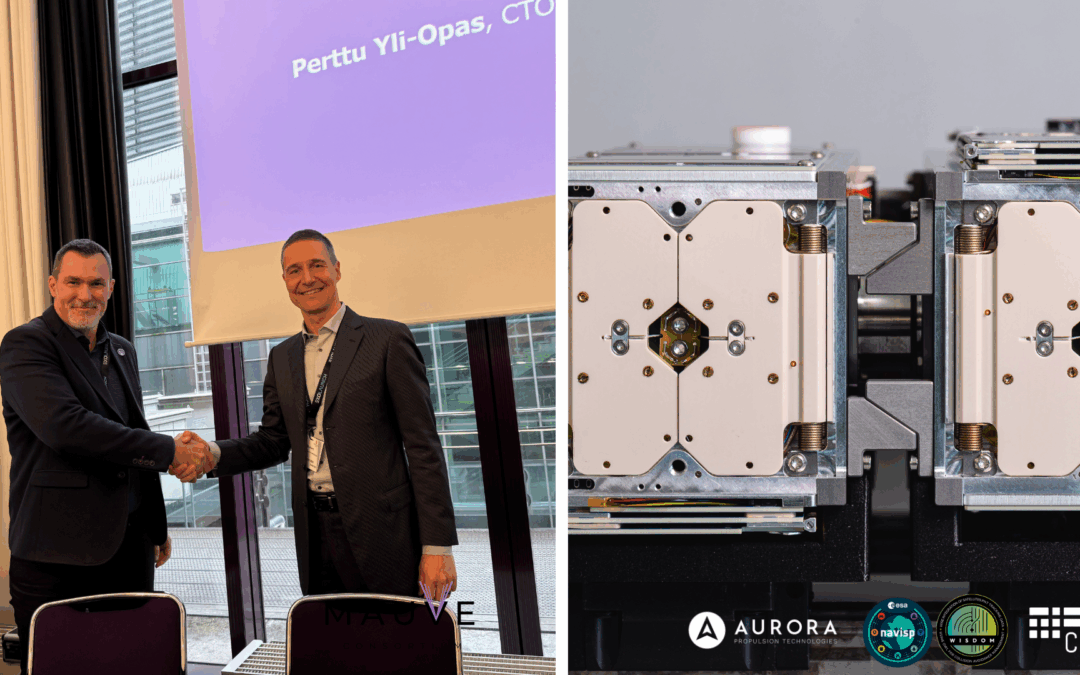
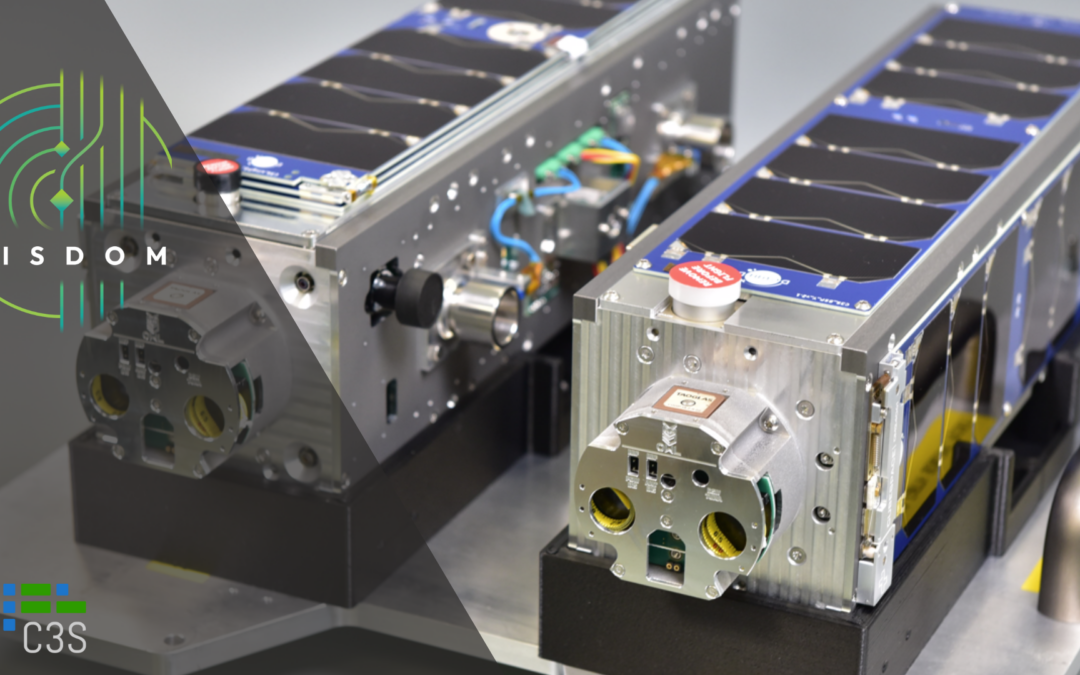
Following the short commissioning phase, the WISDOM-A satellite enters its full operational stage, expected to begin around March. A key milestone of this phase will be the satellite’s separation: the 6U WISDOM spacecraft will split into two fully independent 3U satellites—an achievement unique within the small satellite class.
During the six-month mission, following the separation event, the satellites will carry out a series of in-orbit technology demonstrations. The OWL tracking systems enable direct inter-satellite communication without reliance on ground stations, supporting the coordination of collision avoidance. Aurora’s thrusters and plasma brake enable controlled maneuvers and responsible deorbiting in line with space safety principles.
Each of these capabilities represents an important milestone in the advancement of small satellite technologies.